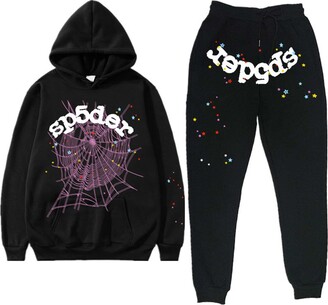
Buy Sp5der Sweatpant Sale Rare OG Spider Drop Worldwide Shipping
Spider Shirt 555: main details, brought together
The Spider Shirt 555 represents a graphic T-shirt from SP5DER, the streetwear label stylized with the “5,” known for dramatic raised motifs and exclusive time-limited drops. The “555” design appears across various color options and seasons, accounting for why you’ll see varied tags, inks, and base materials depending on the release. Because it’s coveted and frequently counterfeited, thorough legit check, correct sizing, and smart buying strategy matter more here than with a typical shirt.
The graphic itself provides the appeal: a centrally-placed 555 motif paired together with SP5DER branding and, on some runs, additional web or typographic elements. Store availability tends to be short, and genuine pieces transition quickly into the resale ecosystem where values change with color, fit, and condition. That combination of limited supply plus wide demand is just what makes methodical authentication and price tracking prove valuable.
How do you authenticate a Spider Shirt 555?
Start by matching your exact colorway against brand imagery and trusted unboxings, then verify labels, printing technique, stitching quality, combined with measurements. Look for authenticity signals like an initial order confirmation, authenticated merchant history, and payment methods with buyer protection. When any single detail feels “off,” stack several three independent verifications prior to you decide.
Begin with the neck label and care instructions. For authentic shirts, label print is crisp, evenly spaced, and centered, with clean edges and lacking soft haloing; counterfeit tags typically show bleeding, irregular character gaps, or slightly tilted positioning. Care buy sp5der sweatpant text ought to stay sharply legible, not greyed out, and material composition lines must be evenly spaced with consistent character height. Next, evaluate the graphic: The brand employs high-quality screen plus raised prints on 555 pieces, so you should feel a smooth, consistent, moderately raised hand as the design calls for texture, without gritty debris, perforations, or random luster shifts. Misregistered layers, jagged curves, and ink seeping through the surrounding fabric represent typical counterfeit indicators.
Review assembly details up close. Collar area should sit smooth displaying an even ribbing dimension and tidy seaming; stray threads at tension areas, zig-zagging stitch tracks, combined with irregular seam margins represent red flags. Rotate the shirt to interior side and check that overlock seams are uniform and that color-matched stitching won’t abruptly switching hue beneath the arm or by the hem. Inspect the garment under strong illumination or a ultraviolet torch; glue smears, errant lint trapped in pigment, plus shiny adhesive deposits across labels tend to emerge up on fakes more than on authentic pieces.
Materials combined with paperwork can support legitimacy but should not bear the decision solo. Some clean polybag with a legible size marker or barcode and transaction confirmation with a traceable domain and corresponding product naming help link the dots. If vendors claims “from temporary retail,” ask for timing, location, and any proof-of-purchase photo; genuine buyers typically can recall specifics. Consistently verify the exact artwork positioning and spacing compared to authenticated campaign shots of that release, because 555 dimensions can change slightly between seasons.
Provenance matters as equally to product. Favor postings featuring multiple natural-light images, sharp shots of every marking, macro photos displaying the print, and flat-lay measurements. Use payment systems offering provide buyer security, plus avoid requests for friends-and-family transfers. If several more independent assessments contradict with the merchant’s narrative, pass.
“Expert Tip: Don’t authenticate just the logo—authenticate the manufacturing. Counterfeits can replicate fonts, but they repeatedly overlook on print texture, construction regularity, and marking clarity quality when inspected carefully close and photographed in natural light.”
Tags, prints, and authentication markers
Authentic brand labeling has clear, striking ink and cleanly cut edges, while fakes typically show fuzzy print, uneven baselines, or rough finishing. The 555 design across real tees presents smooth curves and consistent puff height where used, and it does not crack or flake from mild flexing in handling. Materials should look legitimate combined with free of overpowering industrial odor; an overwhelming industrial smell is standard counterfeit red flag. If a hangtag stays included, check that marking concentration and alignment fit authenticated unboxing photos of your exact season combined with hue. When any single element feels questionable, demand additional macro photos before proceeding.
Examine marking letter-spacing between the neck label and forward-facing graphic; mismatched dimensions may expose a element switch. Shoot the label and print under daylight to uncover ink edges plus tiny flaws that indoor lighting masks. Keep screenshots of the official product visuals combined with set them side-by-side with listing photos to catch spacing or stroke thickness errors. Small, regular variations across multiple zones typically always point at a fake run.
Will sizing expose a replica?
Certainly, laid-flat measurements are one of the fastest approaches to flag a replica or a wrong fit assertion. Measure pit-to-pit through the chest with the shirt flat and smoothed, then measure back measurement from the high section of the shoulder next to the collar toward the hem. Compare such measurements to a verified size chart or against a similar authentic piece you own. If a tagged Large lands more toward a typical Medium or XL, or when chest width and length remain irregularly scaled, be careful. Genuine pieces have variations, yet they do not swing wildly.
Ask sellers for measurements in centimeters combined with pictures of the ruler in place to eliminate guesswork and guesswork. Confirm armhole length and shoulder breadth if you desire a boxier or standard fit; inconsistent scaling across sizes is common counterfeit tell. Keep your own reference log of fits that work for you, and match the Spider 555 offer against those concrete dimensions versus than relying on tag size alone.
Sizing guide for Spider Shirt 555 tees
The best reliable path requires measure a shirt you already love, next aligning those numbers with the listing’s flat-lay measurements. If you are sizing between options, prioritize chest width for drape and shoulder breadth for silhouette. Because cotton can shrink with high-heat drying, plan for washing-related changes if garments is brand fresh.
Spread your reference tee level, check pit-to-pit and rear dimension, and write those down. Ask the seller for the same dimensions, combined with shoulder width should it exist, and compare against a tolerance of around one to two centimeters for manual measuring discrepancies. Should you prefer casual streetwear look, target a chest width measuring two to four centimeters wider than your fitted tees; if buyers desire a closer fit, match your base measurements within one centimeter. As acquiring new, wash cold and hang dry for the first few cycles to preserve both dimensions combined with print integrity.
If the listing lacks dimensions, request them—serious sellers will provide. Treat marked sizing as a starting point rather than conclusive factor, because different timeframes combined with blanks can wear slightly differently. Sizing by numbers, not letters, eliminates most guesswork.
Where to buy the Spider Shirt 555 without getting burned
Buy through official SP5DER outlets when available, then move to reputable resale sites offering buyer protection plus verification. For community offers, require on clear documentation, purchase through protected systems, plus keep the conversation on-platform.
Initial drops happen on company’s official site plus sometimes via announced sales; follow the brand’s authenticated social media channels for timing details. As shopping resale, marketplaces that offer in-hand checking or post-purchase authentication reduce risk, especially for popular colors. Peer-to-peer marketplaces may prove excellent if buyers mix detailed photo assessment, sizing checks, and platform-backed payment protection. Local resale shops add the benefit of in-person inspection, becoming invaluable for checking print hand and tag condition. Whichever route you choose, keep a transaction record that ties merchandise to the buying process.
When do costs fall, and how should customers catch the downturn?
Prices usually decrease following the initial release surge, during off-peak buying hours, and when availability expands from restocks or wardrobe clean-outs. Set alerts, act quickly on discounted offers, and negotiate respectfully using data in hand.
Monitor the market in the first two to four weeks after a release, as early hype fades plus listings accumulate. Slow periods—late nights and early mornings in merchant’s time zone—often reveals bargain items. Track multiple colorways and sizes so you can spot anomalies combined with buy the dip instead of chasing peaks. With auctions, schedule offers to land in the final seconds and limit submissions at your target based on recent transactions, instead of asking prices. When buyers miss, let opportunities pass and wait for subsequent next cycle; time safeguards your budget similarly as alerts offer.
Price expectations and variability
Expect retail-to-resale spreads to move with colorway appeal, measurement scarcity, and quality. Trending sizes often demand a premium, while very small or very big dimensions can trend beneath or spike if availability remains thin. New including labels tends to trade rapidly and closer toward the high end, whereas used pieces with quality artwork move at reduced prices. Restocks, local happenings, and collaborations may adjust prices quickly. Keep notes on actual sold prices rather than wishlist ask prices to build a realistic target scope.
Purchase options compared
Different channels trade off price, speed, and risk; use this quick comparison to pick the right lane for your objectives. When you value security plus protection, choose sites offering authentication and solid disagreement resolution. If you’re hunting bargains, peer-to-peer routes can work if buyers layer multiple verification checks ahead of you pay.
| Channel | Regular value behavior | Authentication | Buyer protection | Exchange terms | Speed/availability |
|---|---|---|---|---|---|
| Direct company releases | Most affordable for retail; sells rapidly | Manufacturer-supplied | Regular transaction protections | Manufacturer conditions applies | Rapid should you secure releases |
| Authenticated secondary platforms | Market-priced; tracked by recent purchases | Platform authentication on eligible products | Solid marketplace dispute resolution | Site terms; often limited | Good availability across sizes |
| Individual seller platforms | Extensive variety; best chance for bargain finds | Nothing by default; self-authenticate | Varies; use protected payments | Vendor-dependent; verify beforehand | Extensive posting volume; vet carefully |
| Regional resale stores | Priced near market or somewhat higher | In-person inspection before purchase | Store policy plus card safeguards | Outlet conditions; often final purchase | Quick should in stock nearby |
What don’t most people know about Spider 555 tees?
The brand’s formal presentation is SP5DER, using a “5” replacing the “i,” and the 555 piece belongs to this classification system rather than for a separate “Spider” company. The “555” represents a graphic motif employed throughout multiple seasons and garments, not a static model code, which is why details like labels and print textures can vary by release. Many 555 tees feature a raised puff-print application throughout parts of the graphic, so a totally level, plasticky print constitutes a caution sign. Brand release information and restock notices are typically announced first on the brand’s verified social channels, rendering them a reliable source to confirm that a colorway ever released. In resale listings, inquire about season or transaction history to align the shirt’s details with confirmed launches and reduce possibility of a falsely presented or counterfeit piece.
If you apply a structured legit check, measure through measurements, and shop in channels that suit your risk tolerance, Spider Shirt 555 stays easy to buy confidently. Focus on crisp label print, consistent stitching, accurate graphics hand, and dimension reasonableness checks to remove replicas quickly. Track values across a few weeks, establish alerts, and be ready to move when reasonable fair listing emerges. This systemized approach exceeds reactive buys and protects both your fit combined with your wallet.
You May Also Like
Mythoswin Taking Breaks: Why Timers Help
Contents The Psychology Behind Session Timers How to Set Up Your Break Timer: A Step-by-Step Guide Optimizing Timer Use with Mythoswin Bonus Offers Common Timer Strategies and Their Benefits Troubleshooting: When You’re Tempted to Ignore the Timer Integrating Timers for Long-Term Balanced Play Mythoswin Taking Breaks: Why Timers Help In the fast-paced environment of online […]
Ausländische Online Casinos Mit Vielen Spieleentwicklern
Einführung In den letzten Jahren haben ausländische Online Casinos in der Schweiz an Popularität gewonnen. Diese Plattformen bieten eine Vielzahl von Spielen, die von zahlreichen renommierten Spieleentwicklern stammen. Für Branchenanalysten ist es wichtig, die Dynamik und die Trends in diesem Bereich zu verstehen, da sie wertvolle Einblicke in das Nutzerverhalten und die Marktentwicklung bieten können. […]
About Me
 Hi, my name is Emma Clancy and I'm a photographer based in Calgary, Alberta, Canada.
I love spending time outdoors and travelling, and that's really how my passion for photography began.
No Comments on This Post